



최신 기업 및 업계 뉴스를 제공하십시오
On many working sites, material movement is a constant task. Soil, sand, stone, and construction waste need to be moved again and again. The distance may not be long, but the repetition is heavy. Over time, this kind of movement shapes how work is organized.
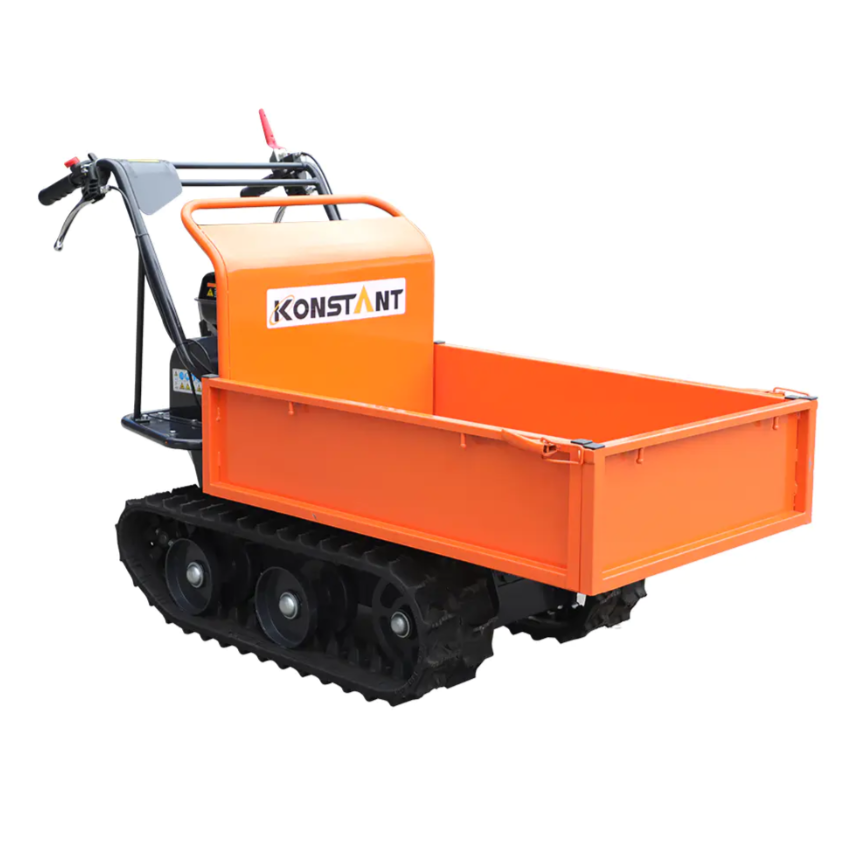
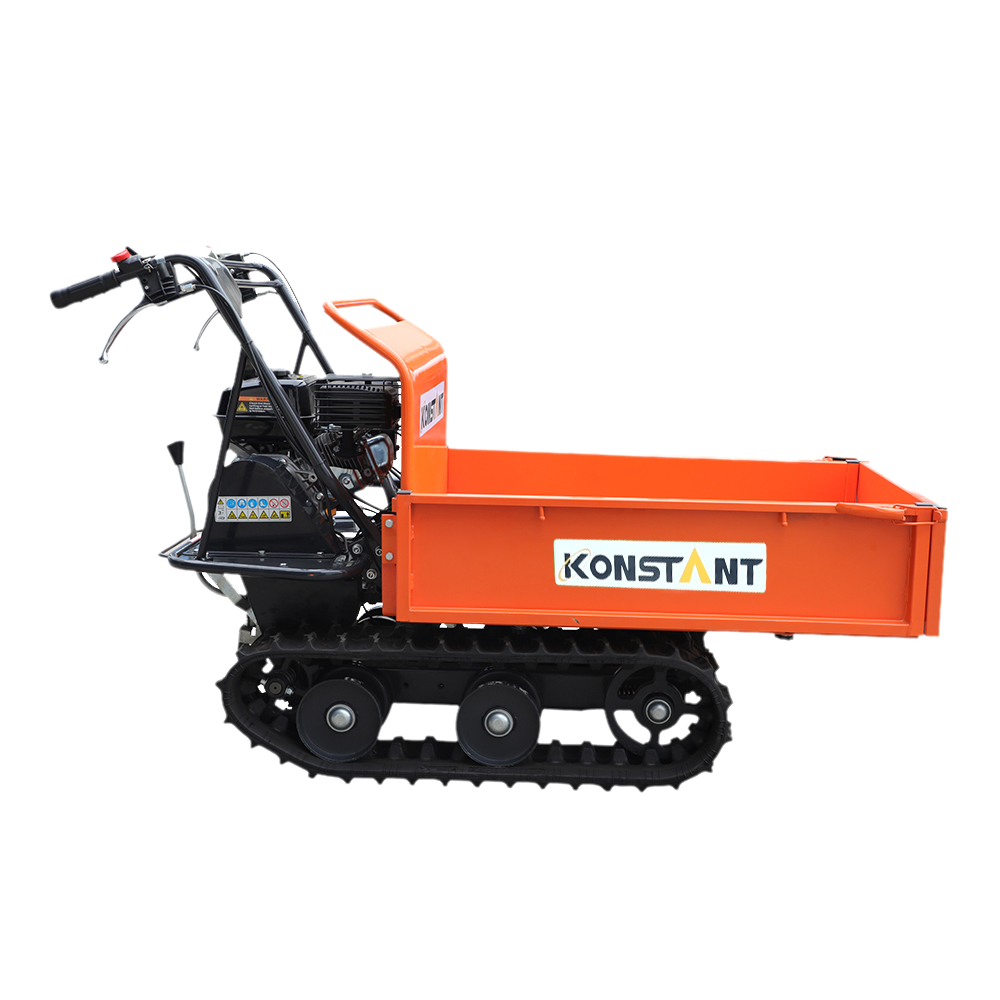
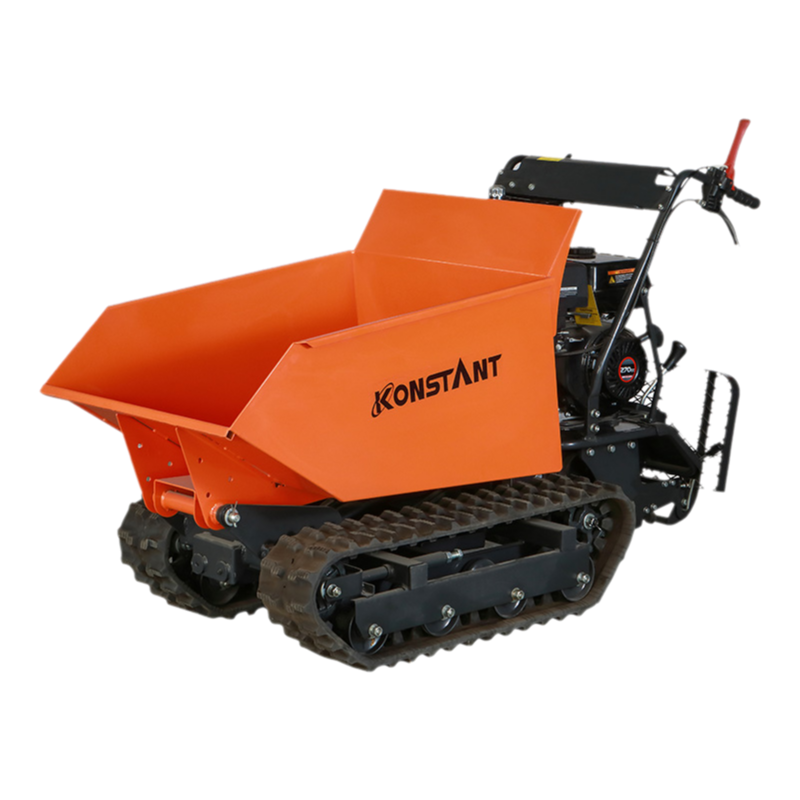
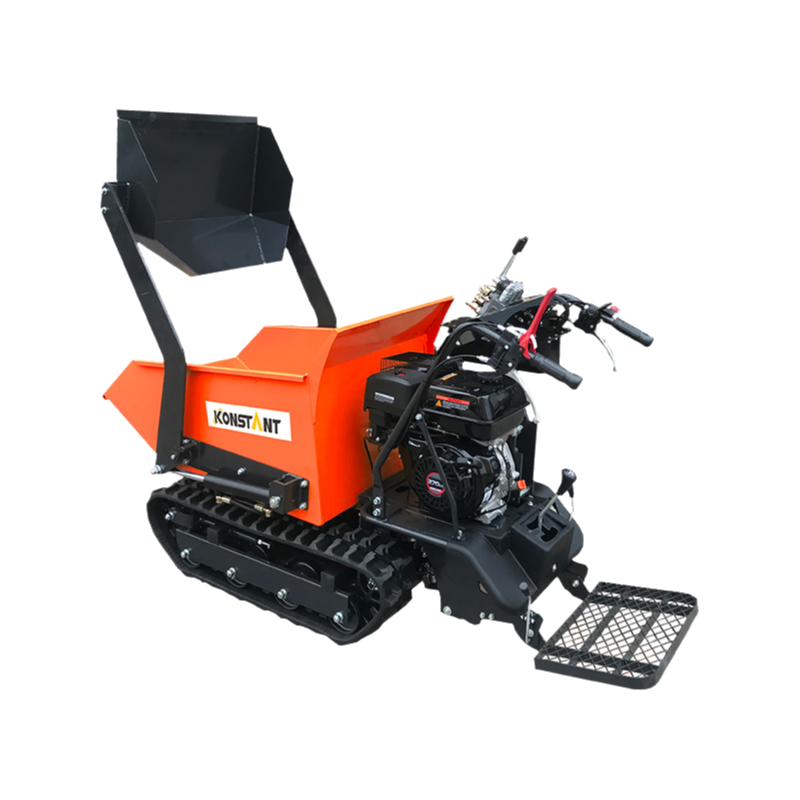
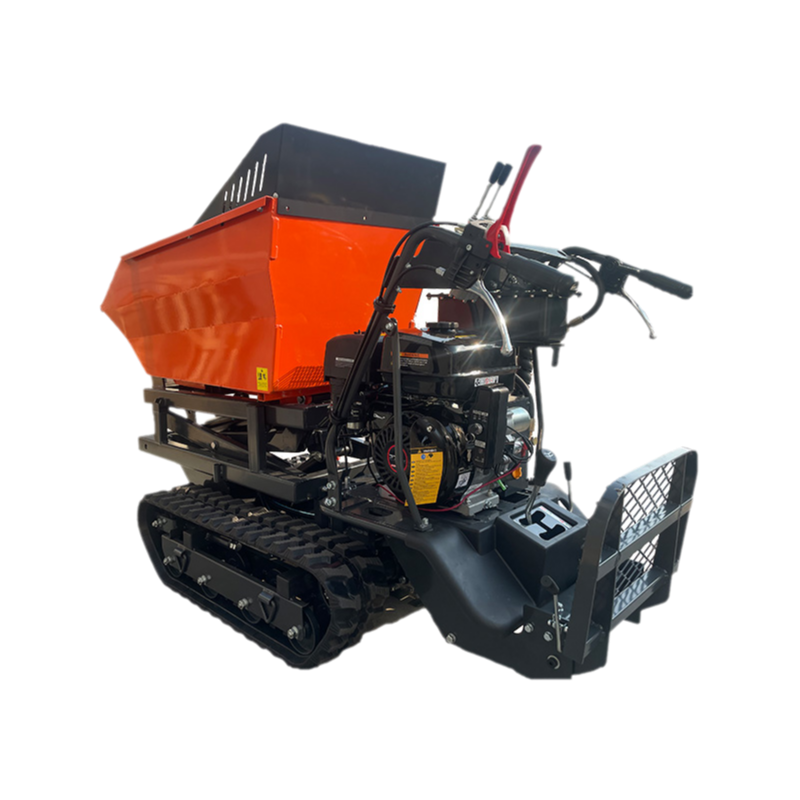
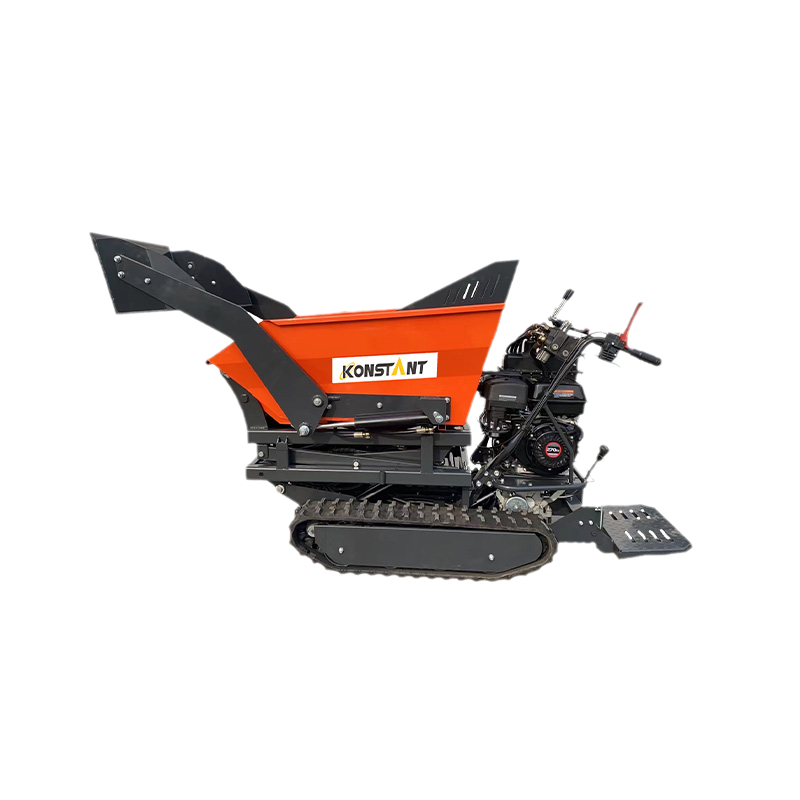
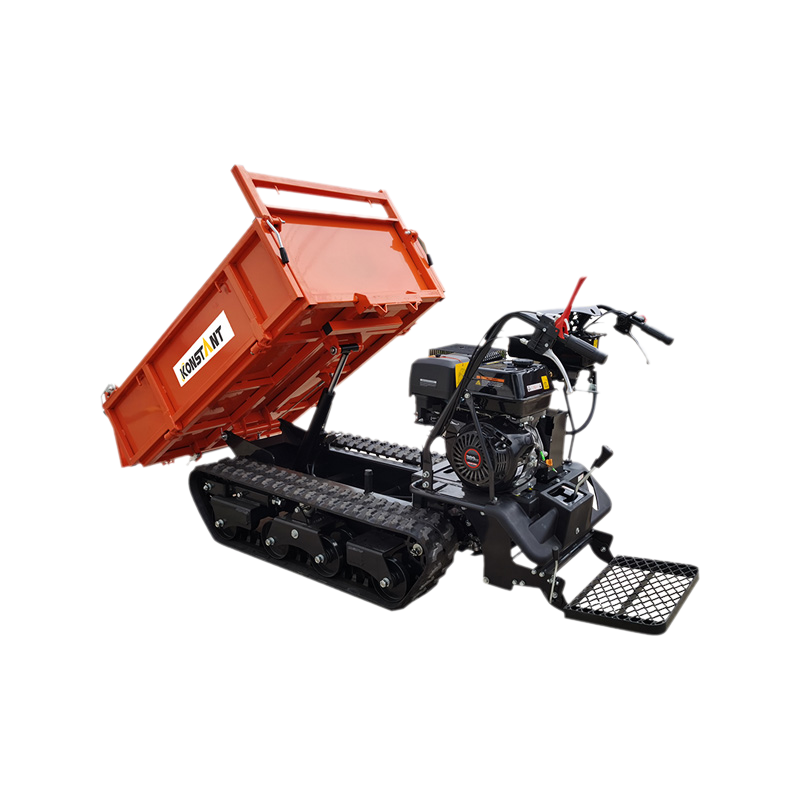
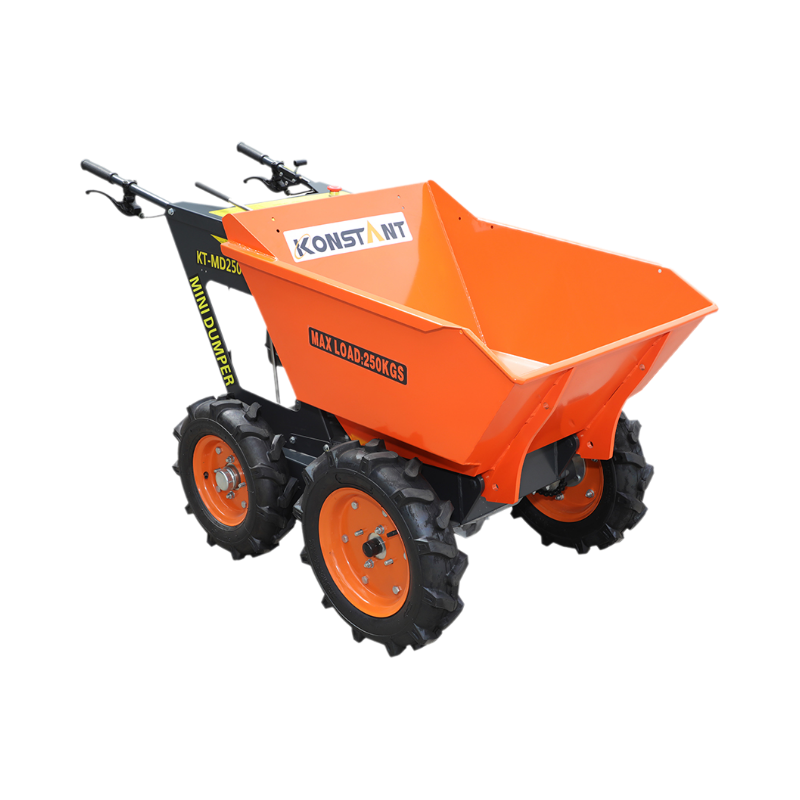
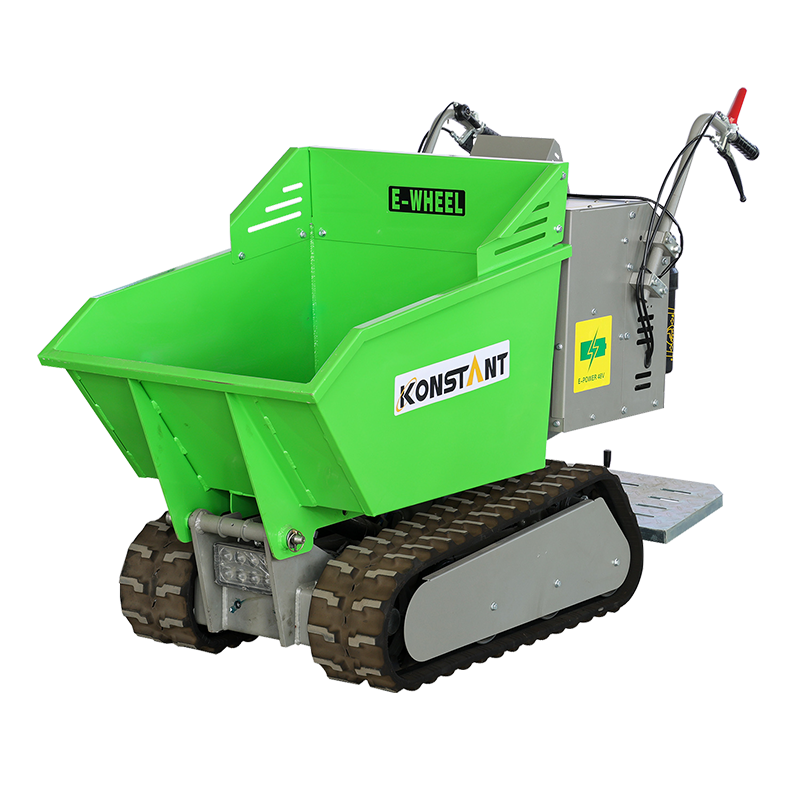
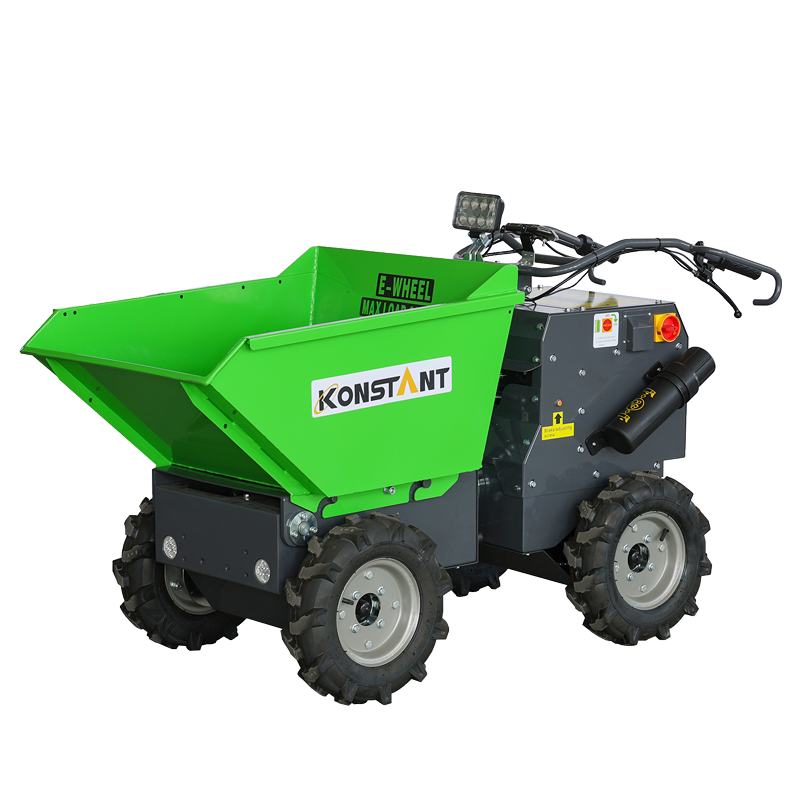
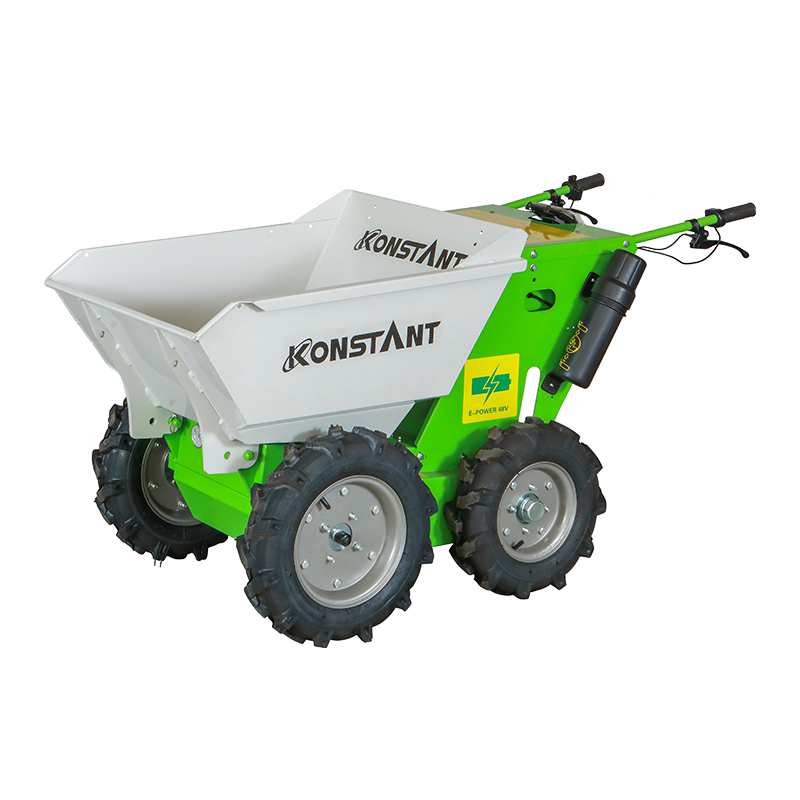
A hydraulic mini dumper appears in this space as a compact transport option. It is designed for small to medium load movement within tight or uneven environments. The focus is not on scale. 실제 작업 조건에서 실제적인 처리에 중점을 둡니다.
In recent industry discussions, this type of equipment is often mentioned in relation to safer handling and smoother on-site flow. The interest does not come from novelty. It comes from changing expectations in daily transport tasks.
Why is on-site transport becoming more demanding?
Worksites today are more active and more layered. Multiple tasks happen at the same time. Materials move between different zones. This creates constant pressure on transport efficiency.
일부 상황에서는 수동 이동이 여전히 사용됩니다. But it becomes tiring when repeated across long working hours. Uneven ground adds another challenge. Small slopes, narrow paths, and changing surfaces all affect how materials are carried.
A hydraulic mini dumper fits into this environment because it reduces repeated physical effort. 대규모 인프라 변경 없이 단거리 이동을 지원합니다.
The demand is not only about speed. It is also about reducing strain during repetitive work.
유압식 미니 덤퍼는 어떻게 일일 자재 이동을 지원합니까?
The main idea is simple. 적은 노력으로 하중을 한 지점에서 다른 지점으로 이동합니다.
Instead of multiple manual trips, a single transport cycle can handle the same task. The machine follows the working path and carries materials in a controlled way.
Daily use often includes:
- Transporting loose construction materials
- Moving garden or landscaping loads
- Clearing small site waste
- Supporting repair and maintenance tasks
Each task looks simple on its own. But repetition makes it time-consuming. 소형 덤퍼는 사이클 압력을 줄이는 데 도움이 됩니다.
The movement is steady. It follows the operator's direction. 이렇게 하면 좁거나 불규칙한 공간에 더 쉽게 적응할 수 있습니다.
현대 작업 공간에서 소형 운송이 중요한 이유는 무엇입니까?
Space is often limited. 모든 현장에 접근 경로가 넓거나 지반이 평탄한 것은 아닙니다. Some areas are between structures. 다른 사람들은 단기 근무를 위해 임시로 배치됩니다.
In these conditions, large transport machines may not be practical. A smaller unit becomes more suitable.
Compact transport tools bring several practical advantages:
- Easier movement in narrow paths
- Better adaptation to uneven surfaces
- Reduced disruption to surrounding work areas
A mini dumper fits into this category. 개방형이 아닌 공간이 통제되는 환경을 위해 설계되었습니다.
The goal is not to replace large machines. 목표는 필요하지 않은 작업을 처리하는 것입니다.
유압 보조 장치는 핸들링 동작을 어떻게 변경합니까?
유압 지원은 작동 중 부하 움직임의 느낌에 영향을 미칩니다. Instead of relying only on manual force, movement becomes more controlled.
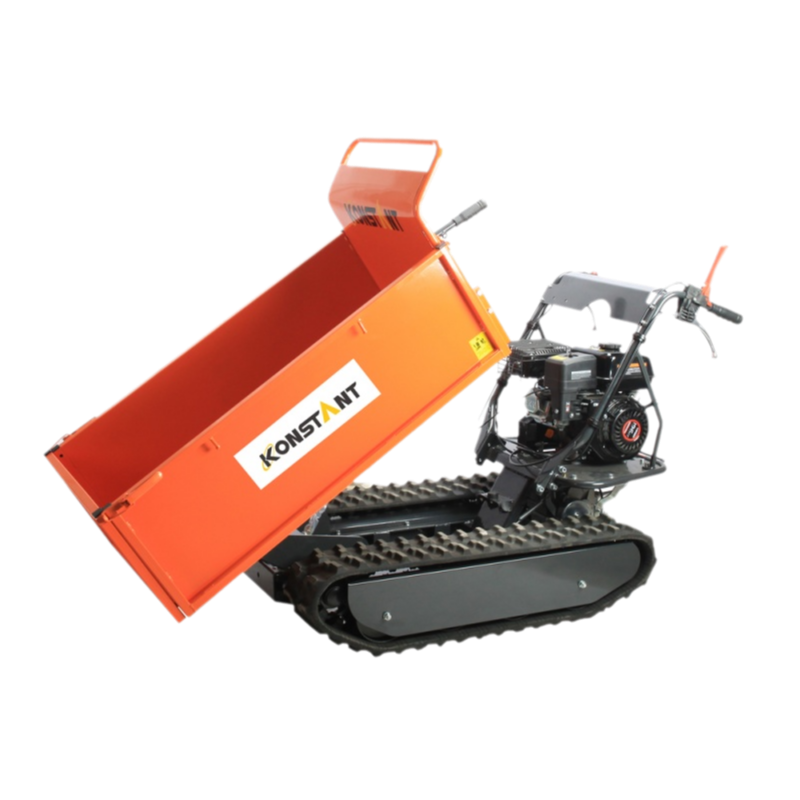
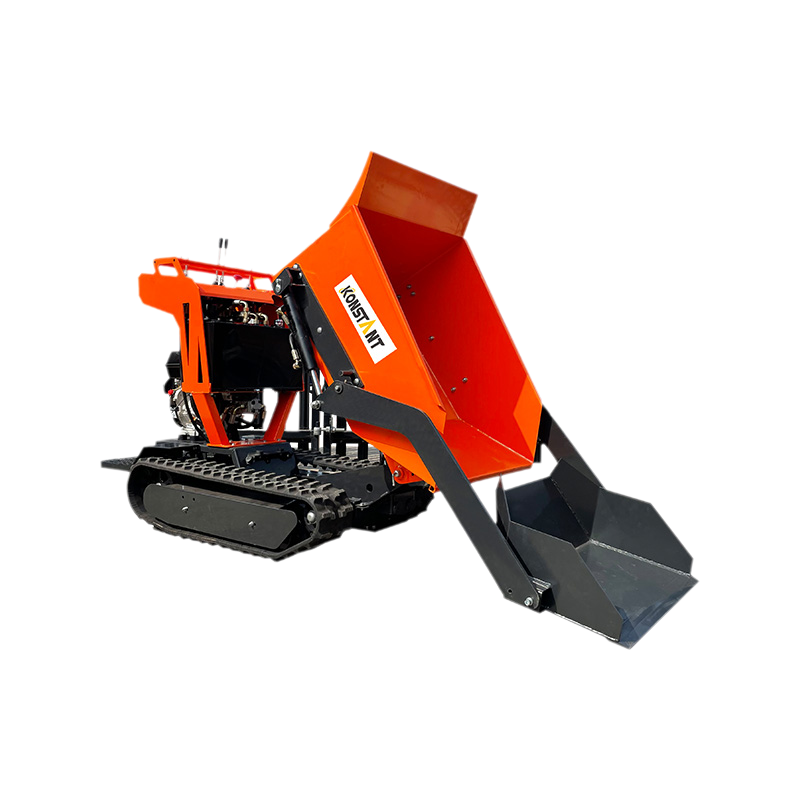
리프팅 및 덤핑 프로세스가 더욱 원활해집니다. Load distribution feels more stable. This reduces sudden shifts during unloading.
Operators often notice that the machine responds in a predictable way. That predictability matters in busy environments. It helps reduce hesitation during repeated tasks.
Hydraulic support also helps when working on slight slopes or uneven ground. 시스템은 이동을 지원하므로 작업자는 지속적으로 조정할 필요가 없습니다.
Where is this equipment commonly used?
A mini dumper is used across several working environments. Its role changes slightly depending on the task, but the core function stays the same.
Common usage areas include:
- Construction sites with frequent material movement
- Landscaping and outdoor terrain work
- Small renovation and maintenance projects
- Agricultural support tasks in limited areas
In each case, the pattern is similar. Materials need to move repeatedly over short distances. The environment may change during the process.
This flexibility is one reason the equipment is often included in mixed-use tool groups.
Typical On-Site Transport Patterns
| Work Situation | 재료 유형 | Movement Style | Transport Need |
|---|---|---|---|
| Construction area | Soil and debris | Repetitive short trips | Continuous flow support |
| Landscaping work | Sand and soil mix | Directional movement | Controlled placement |
| Maintenance tasks | Mixed small loads | Intermittent cycles | Flexible handling |
| Rural work sites | Organic materials | Uneven terrain travel | Stable movement support |
How does safety connect with transport equipment?
Safety is closely tied to movement control. On-site transport often happens in environments where people and materials share space.
A mini dumper reduces the need for repeated lifting and carrying. This lowers physical strain. It also reduces the chance of missteps caused by fatigue.
Controlled movement is another factor. When load shifts are predictable, operators can position themselves more safely.
Clear visibility is also important. Operators need to see the path ahead. Compact design helps maintain awareness of surroundings during movement.
Safety in this context is not a separate feature. It is part of daily operation behavior.
Why is workload distribution important in material handling?
On-site work is rarely evenly distributed. Some periods are quiet. Others are intense. Material movement often peaks during specific phases of a project.
Without support, these peaks create strain. Workers may need to repeat lifting and carrying over long periods.
A mini dumper helps distribute this workload more evenly. Instead of physical effort, the focus shifts toward guiding and positioning.
This does not remove the task. It changes how the task is performed.
Over time, this can make work rhythm more stable. Fewer interruptions occur due to fatigue or slowdowns.
How does terrain affect transport performance?
Ground conditions vary from site to site. Some surfaces are firm. Others are loose or uneven. Small slopes are common in many environments.
These variations influence how materials move. Carrying by hand becomes harder when the surface is unstable. Wheel-based movement also needs balance and control.
A hydraulic mini dumper is designed to handle these variations with steady movement. It adapts to surface changes without requiring major adjustments.
Operators often rely on slow, controlled movement when terrain is unpredictable. This reduces sudden shifts and improves handling confidence.
What role does operator comfort play in daily use?
Comfort in this context is not about luxury. It is about reducing strain during repeated actions.
When tasks repeat many times in a day, even small discomfort becomes noticeable. Handle position, movement response, and control layout all influence this experience.
A well-balanced design helps reduce unnecessary effort. Operators can focus more on direction and placement rather than physical force.
Over time, this improves consistency. Work becomes less interrupted by fatigue-related adjustments.
How does it fit into mixed equipment environments?
Modern work sites often use multiple tools and machines at the same time. Each one has a specific role.
A hydraulic mini dumper fits into this system as a support unit. It does not replace larger equipment. It fills the gap between manual handling and heavy machinery.
This middle position is important. It allows flexible use without overcomplicating the workflow.
In many setups, it works alongside compact loaders, manual tools, and storage systems. Together, they form a layered approach to material handling.
How are usage expectations changing over time?
Expectations are shifting toward simplicity and adaptability. Users want equipment that fits into real working conditions without complicated steps.
This affects how transport tools are evaluated. Ease of movement, stability, and practical handling are often discussed more than complex features.
A mini dumper aligns with this direction. It focuses on repeated, practical movement rather than specialized operation.
The trend is not about adding more functions. It is about making core tasks easier to repeat.
How does repeated use shape long-term value?
Long-term value is often defined by consistency. A tool or machine that performs reliably across repeated cycles becomes part of daily routine.
In material transport, repetition is constant. Each cycle may look similar, but conditions change slightly every time.
A hydraulic mini dumper builds value through this repetition. Stable performance across varied tasks helps maintain workflow rhythm.
Over time, users begin to rely on predictability. That reliability becomes more important than occasional performance peaks.
How does site organization influence transport flow?
Worksites are not random spaces. They are organized into zones. Materials move between these zones during different phases of work.
Transport equipment plays a role in connecting these areas. If movement is slow or inconsistent, the entire workflow can feel fragmented.
A compact dumper helps maintain continuity. It keeps material movement aligned with task progression.
This supports smoother transitions between stages of work. Less waiting time appears between tasks.
The role of hydraulic mini dumpers continues to sit within this practical space of on-site movement. It reflects how modern work environments prioritize steady flow, controlled handling, and reduced physical strain in everyday transport tasks.

